A Cathedral of Foliage & Roots: Through Norfolk Island’s 100-Acre Reserve
Estimated word count: 644 words
Estimated reading time: 4 minutes
Share This Article

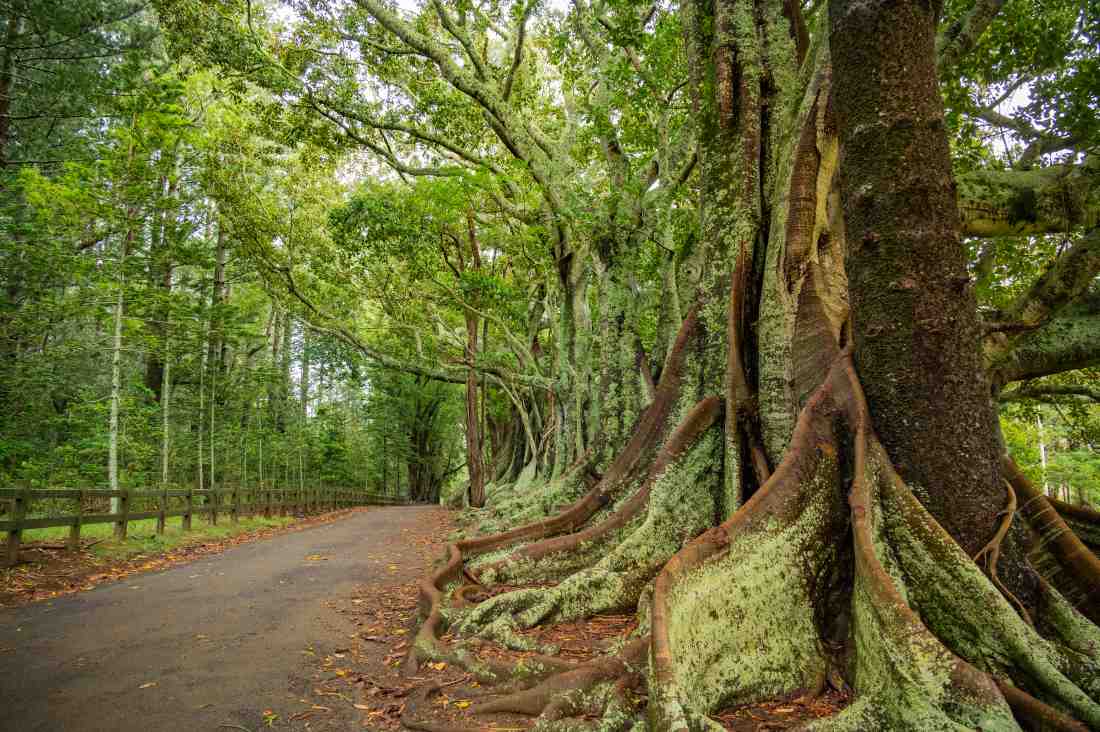
The transition from Norfolk Island’s typical open, rolling pastures to the deep, shaded canopy of the Hundred Acre Reserve is one of the island’s ‘yep, it’s there’ moments. Located at the end of Headstone Road, this reserve serves as a 100-acre marker where the island’s ‘managed landscape’ gives way to a very, very raw… coastal frontier territory. The air here is noticeably cooler, dampened by the thick undergrowth and the salt spray that drifts up from the nearby cliffs, creating an atmosphere that feels less like a public park… and more like a wild, green prehistoric bubble.
Architecture of the Forest: Beyond the Buttress Roots
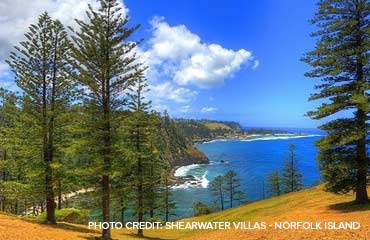
While the massive Moreton Bay Figs at the reserve’s entrance often capture the initial attention with their sprawling, sculptural buttress roots, the true architectural strength of the forest lies in its primary canopy of Norfolk Island Pines and White Oaks. The Norfolk Island Pine, rising skyward with a geometric precision that has made it a global icon, provides the high-altitude shelter required for the forest’s inner life. Below these giants, the white oaks – known internationally as the Norfolk Island Hibiscus – thrives in the salt-heavy air. These hardy natives continue to dominate the mid-canopy, producing soft pink-to-mauve flowers that provide a delicate contrast to the rugged environment. A note for hikers and walkers here – the White Oak’s seed pods are locally called ‘cow-itch’ due to the tiny, irritating hairs found inside. The effects are not restricted to the eponymous species, shall we say?
The Tropical Layer: Palms, Ferns, and Ironwoods
Deep within the sheltered valleys of the reserve, the landscape takes on a more tropical and textured character. This understory is defined by the lush fronds of the Norfolk Island Palm, or Nee-ow, which thrives in the damp, low-light conditions beneath the taller canopy. Interspersed among the palms are the world’s tallest tree ferns, specifically the Smooth Tree Fern and the Rough Tree Fern, which add a prehistoric dimension to the shaded tracks. For the observant explorer, the Ironwood stands as a testament to the island’s timber heritage; a sturdy, small hardwood with wavy-edged leaves and deep purple fruits. This middle layer of the reserve is where the biodiversity of the island is most concentrated, offering a cool, quiet retreat that feels entirely disconnected from the modern world.
Coastal Frontier: Where the Forest Meets the Pacific
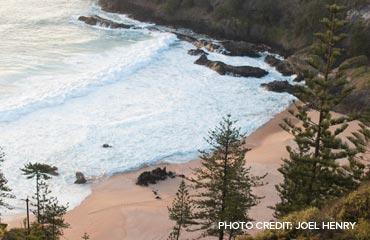
As the forest tracks lead toward the ocean, the dense canopy begins to thin, opening up to the dramatic volcanic cliffs of Rocky Point. Here, the ‘Cathedral of Roots’ meets the raw energy of the Pacific Ocean. The vegetation shifts to hardy Melky trees and salt-tolerant shrubs that cling to the cliff edges, enduring the constant battering of the sea breeze. This coastal transition provides a spectacular vantage point for birdwatching, as the cliffs are a primary nesting ground for Masked Boobies and the elegant White Terns that glide effortlessly between the pines and the sea. Standing at the edge of Rocky Point, the contrast between the shaded, interlocking root systems of the forest and the expansive, sunlit horizon offers a powerful reflection on the island’s diverse natural character.
Norfolk Island’s Hundred Acre Reserve: The Silent Sentinels of Headstone Road
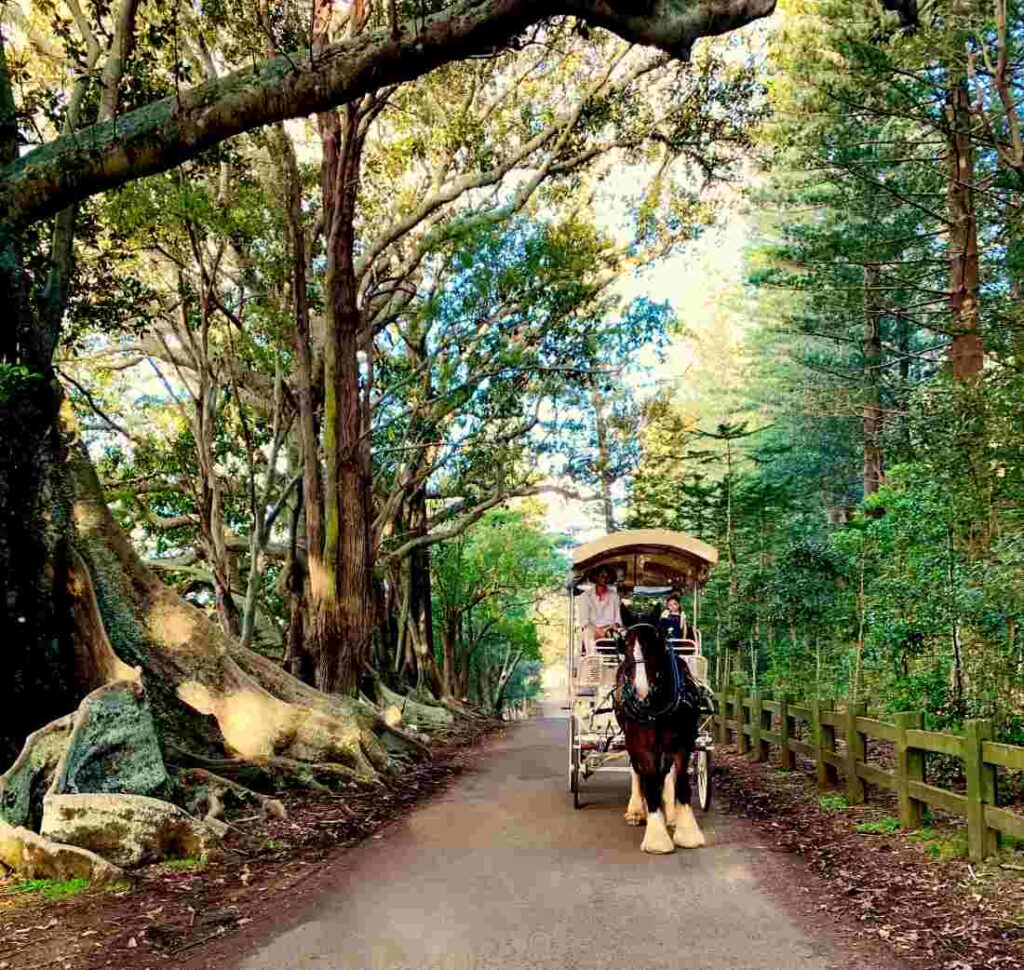
Whether you are a photography enthusiast seeking the play of light through the tree-lined corridor, an experiential traveller, or a family with kids, the reserve provides an unforgettable experience that highlights the island’s unique environmental vibe.
We invite you to check out our latest Norfolk Island Holiday Packages to secure your spot or browse our curated list of Kingston resorts and cottages to find the perfect base for your island retreat. If you are ready to create something unique, talk to our South Pacific Specialists today to build a tailormade Norfolk itinerary that balances heritage, nature, and relaxation – just call us on 1300 991 751!
More Travel Blog Articles
South Pacific Resort Hotel: Central Comfort in Norfolk Island
The South Pacific Resort Hotel occupies a unique niche on the island, functioning as the…