

Working the Ship: Witnessing Norfolk Island’s Thrilling Logistical Ballet
Estimated word count: 512 words
Estimated reading time: 4 minutes
Share This Article

The reality of living on a remote South Pacific island is often far more fascinating than the glossy postcards suggest. Because Norfolk Island has no natural deep-water harbour, getting necessary imported goods—and we mean everything from cars and lumber to bananas and bottles of wine—is a true logistical marvel known locally as “working the ship”, or ‘Werken Shep’. This isn’t just a delivery; it’s a time-honoured tradition and a community event that’s a pleasure to witness.
The Logistical Ballet
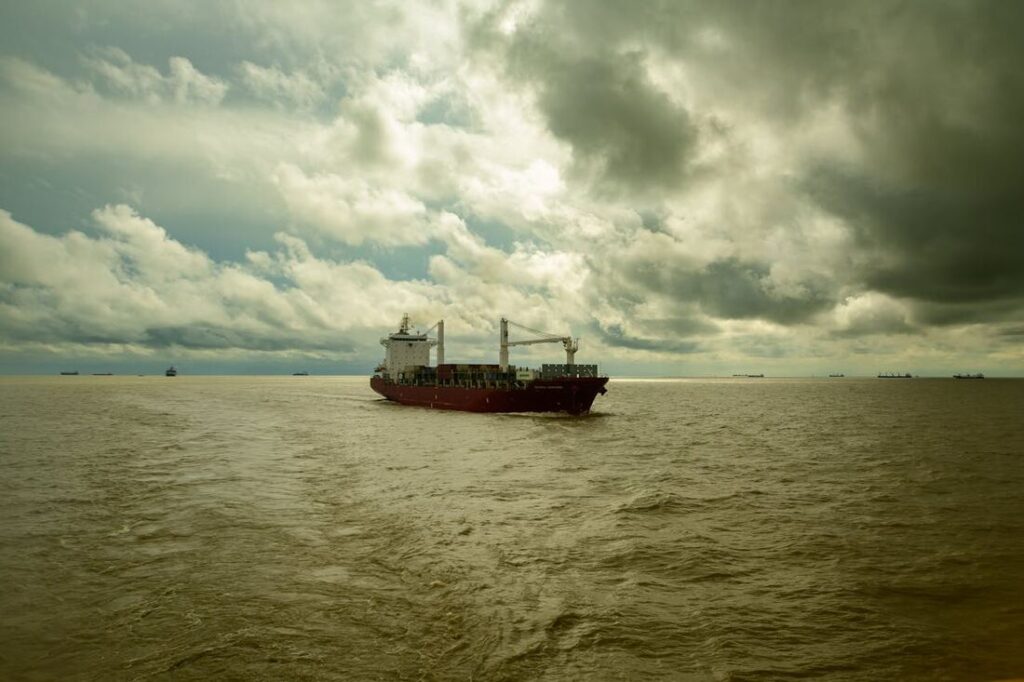
The process begins when the cargo vessel arrives and anchors about one kilometre offshore, beyond Norfolk’s treacherous double reefs. The local Lighterage Manager checks the sea conditions and advises the ship’s captain which pier – the northern Cascade Pier or the southern Kingston Pier – is most suitable for unloading. This decision is crucial, as the wrong call can be disastrous; the waters at the piers can be one metre or less at low tide, and the approach demands expert handling and profound local knowledge. In fact, the local ‘sweep’ steers the lighter around the reef using a long oar, a skill passed down through generations.
From Ship to Shore: The Lighter’s Role
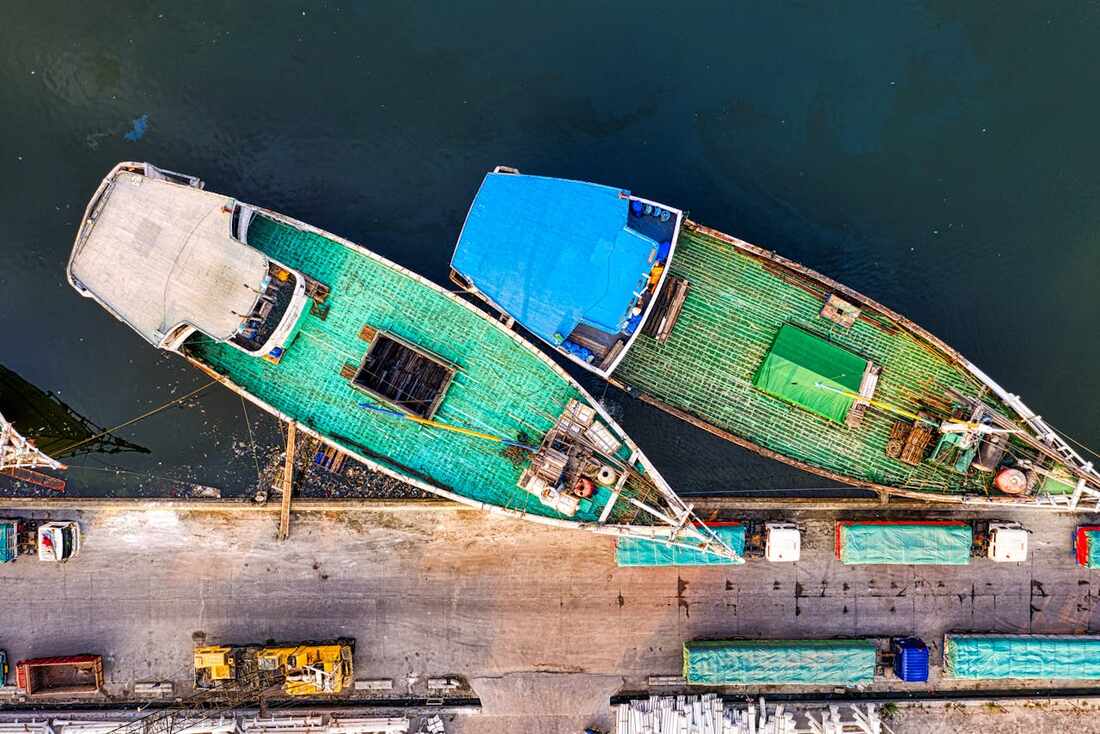
Since the late 1700s, this cargo has been brought ashore by Lighters -open boats about 10 metres long, traditionally built of local Norfolk pine. These custom-designed, hand-built wooden vessels are towed out to the cargo ship by motorised launches. The cargo is then carefully lowered from the ship into the Lighters on pallets or in nets. For oversized cargo – which can include buses, trucks, and large bundles of timber – two lighters are strapped together to provide the necessary stability. Once loaded, the launches tow the heavily laden lighters back to the pier where a mobile crane lifts the goods ashore.
Werken Shep: A Community Spectacle
This operation is far more than just a job; it’s a beautifully choreographed display of time-honoured seafaring skills. When a cargo ship arrives (historically, about once a month), the men involved immediately put all other commitments aside to attend to ‘werk dar shep’. It requires long hours, sometimes over two to four intense days depending on the tonnage and the sea conditions. The old, retired lighter ships, some of which are now preserved with viewing platforms, remain on the shore as a reminder of the important role they have served. Visitors are welcome to watch the unloading operations, making this unique logistical ballet a fascinating cultural event that highlights the island’s resourcefulness, cohesion, and resilience.
The ‘Working the Ship’ tradition is a powerful metaphor for the island’s spirit: resourceful, cooperative, and deeply connected to the sea. This unique logistical feat is a direct link to the island’s heritage, reinforcing the sense of community that makes Norfolk Island such an extraordinary destination. Ready to book your holiday and witness this unique slice of island life? Our friendly South Pacific Specialists are ready to help you craft your perfect adventure – give us a ring at 1300 991 751!
More Travel Blog Articles
The Tree That Built A Country: Uncovering the Story of Norfolk Island Pine
Every paradise has its icon, and for Norfolk Island, that symbol is the magnificent Norfolk Island…

The Haunting of Norfolk Island: Did Modern Penal Reform Seed From South Pacific?
Walk through the historic heart of Norfolk Island, and you’ll find a place that seems…